Passive Cooling in Modern Indian Homes
5 min read • March 10, 2026 • Insights
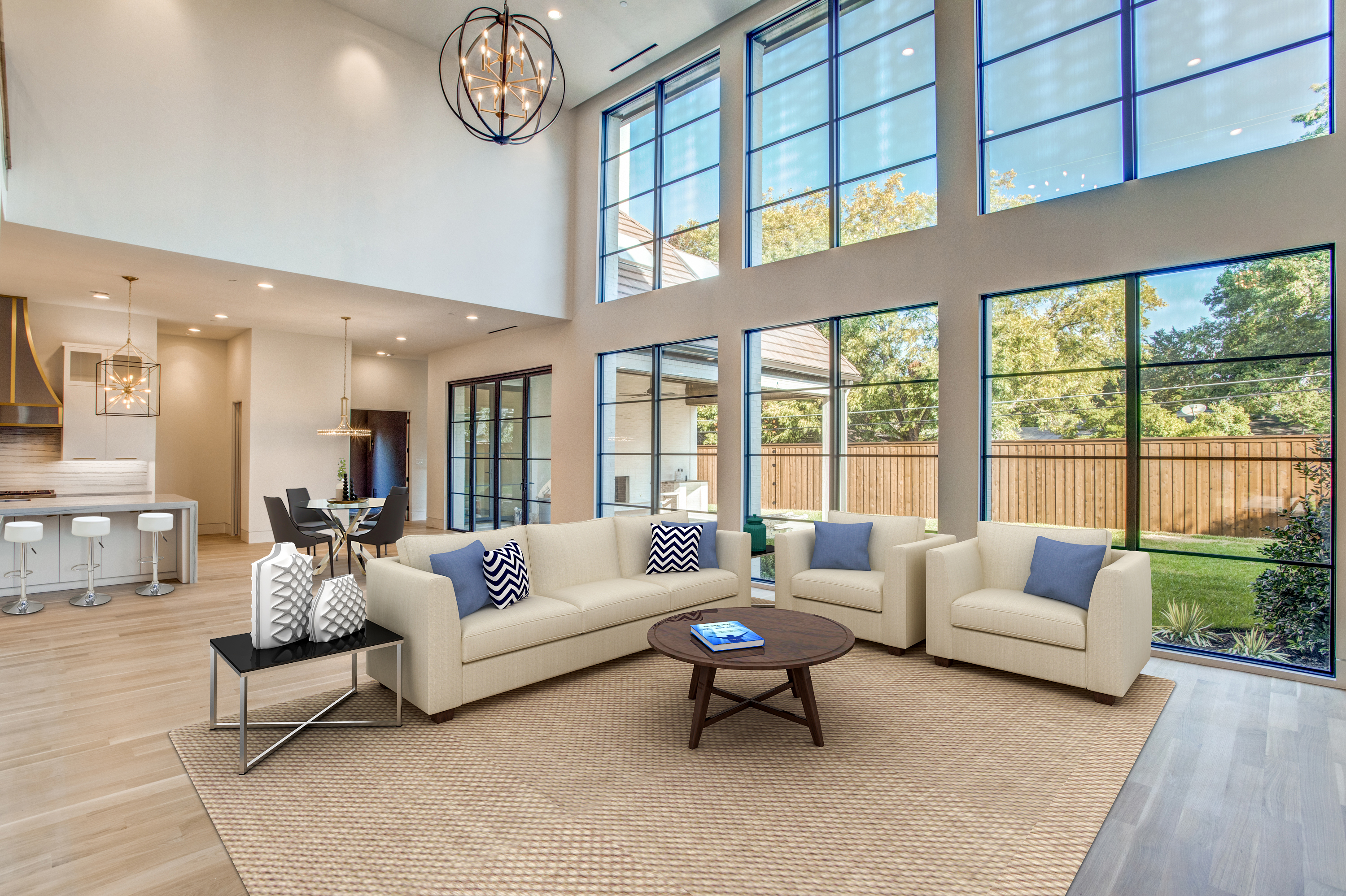
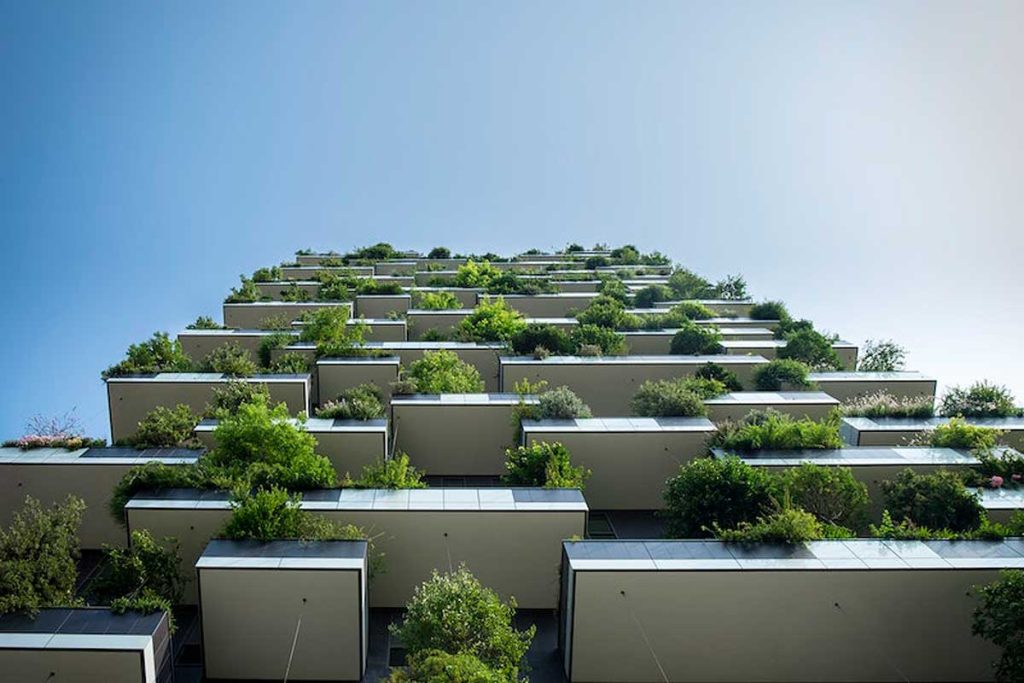
Modern homes in tropical climates like India face a common challenge: **heat gain**. While air-conditioning can provide comfort, it also increases energy consumption and operational costs.
Passive cooling strategies offer a smarter architectural approach. By carefully designing the building envelope, orientation, and ventilation paths, homes can stay comfortable naturally.
Orientation and Sun Path
One of the most important design decisions is **building orientation**. In tropical regions, minimizing direct western sun exposure can significantly reduce heat gain.
Architects often:
- Place longer building facades along the **north-south axis**
- Reduce large openings on the **west side**
- Use deep overhangs or shading devices
These simple strategies can dramatically improve indoor comfort.
Natural Ventilation
Cross ventilation is another powerful passive cooling strategy. By positioning windows and openings across opposite walls, air can flow naturally through the home.
Design techniques include:
- Courtyards that act as **air circulation hubs**
- High-level openings to release warm air
- Ventilated staircases or atriums
These approaches help maintain a steady flow of fresh air throughout the day.
Shading and Building Envelope
Controlling solar radiation is essential in tropical architecture.
Effective shading solutions include:
- Deep verandahs and balconies
- Pergolas and louvers
- Vegetation and landscape buffers
Materials also play a role. Walls with higher thermal mass can absorb heat during the day and release it slowly at night.
Conclusion
Passive cooling is not just a sustainability strategy—it is also a **design philosophy rooted in climate responsiveness**.
When architecture works with the environment rather than against it, homes become naturally comfortable, energy-efficient, and timeless.