Designing Tropical Villas in India
6 min read • March 11, 2026 • Architecture Guides
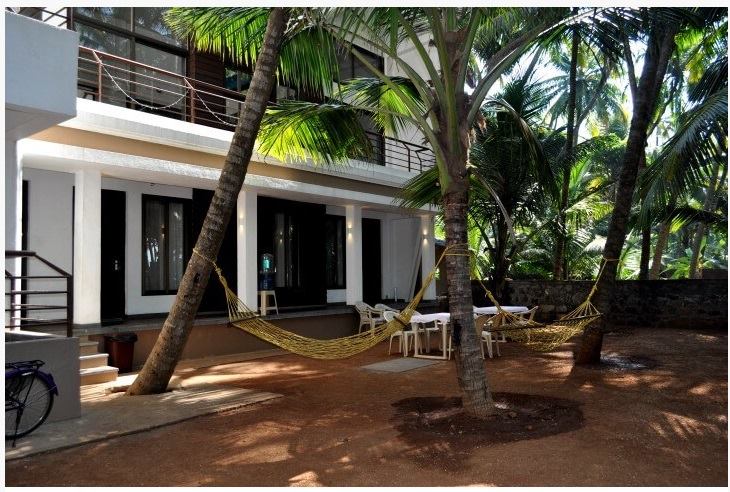
Designing a villa in tropical regions such as coastal India requires more than aesthetic planning. Climate-responsive architecture plays a vital role in creating spaces that remain comfortable throughout the year.
A well-designed tropical villa balances **sunlight, ventilation, materials, and landscape** to achieve both comfort and sustainability.
Understanding the Tropical Climate
Tropical regions typically experience:
- High temperatures
- Intense sunlight
- Seasonal humidity
- Heavy rainfall
Architecture must respond to these conditions while maintaining indoor comfort and reducing reliance on mechanical cooling.
Creating Effective Cross Ventilation
Cross ventilation allows fresh air to move through interior spaces, naturally cooling the home.
Architects achieve this by:
- Placing windows on **opposite sides of rooms**
- Designing **open floor plans**
- Introducing **courtyards or internal gardens**
This airflow removes warm air and keeps interiors fresh.
Deep Overhangs and Shading
Shading devices are essential in tropical architecture.
Common shading strategies include:
- Deep balconies
- Large roof overhangs
- Wooden louvers
- Pergolas
These elements block direct sunlight while still allowing natural daylight.
Using Climate-Responsive Materials
Material selection strongly influences thermal comfort.
Materials often used in tropical homes include:
- Natural stone
- Clay tiles
- Exposed concrete
- Timber
These materials help regulate indoor temperature and age beautifully over time.
Integrating Landscape with Architecture
Landscape is not just decoration in tropical villas—it plays a crucial environmental role.
Trees, water bodies, and shaded courtyards help:
- Reduce heat around the building
- Improve airflow
- Create relaxing outdoor living spaces
When architecture and landscape are designed together, the result is a seamless indoor–outdoor experience.
Conclusion
Tropical villa design is about **working with the climate rather than fighting it**. Through thoughtful orientation, ventilation strategies, shading, and material choices, architects can create homes that feel naturally comfortable and timeless.